

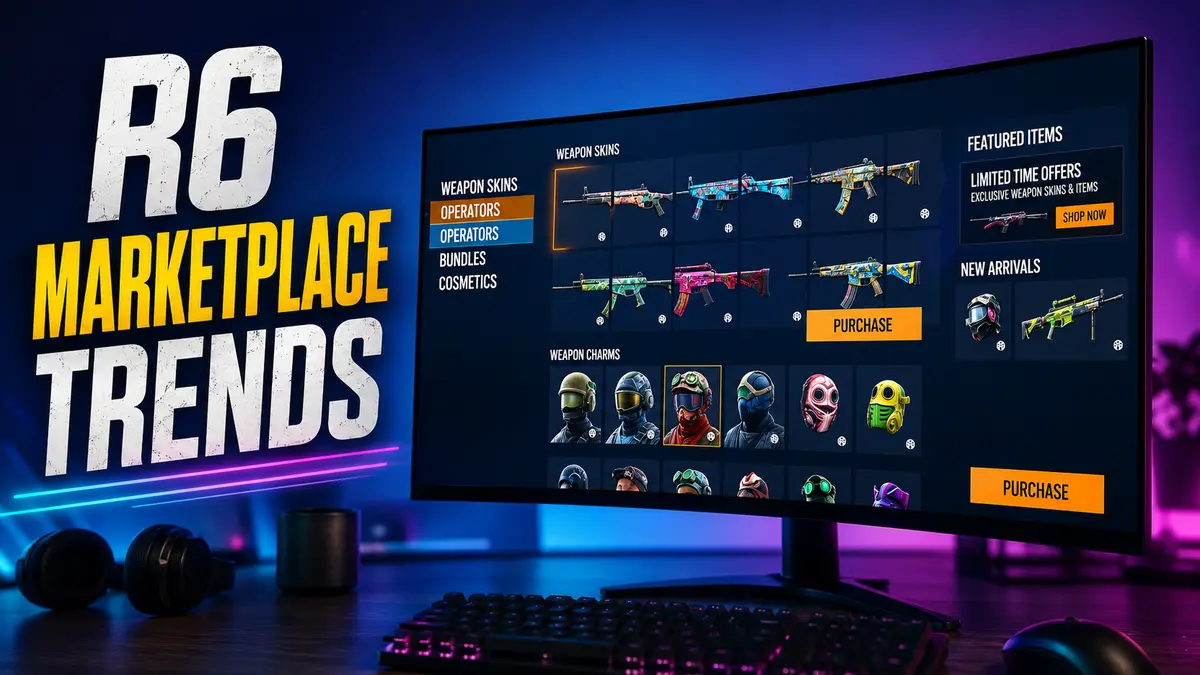
Hey there, fellow Siege player. If you’ve spent any time grinding ranked, opening alpha packs, or just staring at your collection wondering what that old skin is actually worth now, you know the R6 Marketplace changed everything. I remember logging in after a long break and seeing my dusty Black Ice variants suddenly have real numbers attached. It felt exciting, but also a bit nerve-wracking. What if I sell too early? What if I miss the peak? Those questions keep hitting harder as the market matures.
We’re past the initial hype phase. Prices swing based on real player behavior, not just Ubisoft announcements. Whether you hold rare items for bragging rights or treat them like investments, understanding the current trends helps you make smarter moves. Let’s walk through the biggest ones shaping rare item values right now, based on what I’ve seen trading and following the community.
How the Official R6 Marketplace Works and Why It Matters for Rarity
The marketplace lets players buy and sell eligible cosmetics using R6 Credits. You list items or place buy orders, and everything happens through Ubisoft’s system. No more risky third-party trades. Dynamic price limits adjust based on recent sales, keeping things within certain bounds while letting supply and demand do most of the work.
This setup turned rare items into something you can actually move. Old event skins, limited headgears, and legacy weapon finishes now have visible value. But that also means their prices react faster to changes in the player base.
I once held onto a Glacier skin from years back, thinking it would stay exclusive. When more of them hit the market, the value dropped quicker than I expected. That personal sting taught me to watch broader patterns instead of assuming rarity alone protects price.
Rare items still command attention, but their worth depends on factors like how many exist, current hype, and how easy (or hard) it is to get similar looks through new content.
Also Read: Rainbow Six Siege Marketplace: Powerful Tips for Buyers.
Supply Floods from New Content Releases
One of the fastest ways rare item values shift comes from fresh drops. Every season brings new operators, bundles, and events. When something similar to an old rare skin appears, demand for the legacy version often cools.
Take Black Ice variants. They used to feel ultra-exclusive. Now with more ice-themed or premium finishes circulating, some specific older ones hold strong while others settle. Players who missed the original hype still chase them, but the overall pool grows.
I talked to a friend who flipped several legacy weapon skins right after a big seasonal update. He bought during the initial dip when everyone focused on new stuff, then sold weeks later when nostalgia kicked in. Timing around content releases remains key.
Watch for these supply signals:
- New battle pass rewards that echo old designs
- Celebration or event packs adding similar aesthetics
- Operator reworks or bundles that include comparable cosmetics
When supply increases without matching demand growth, prices for comparable rare items usually adjust downward. The opposite holds true for truly unique pieces with no modern equivalent.
Demand Spikes Tied to Events and Competitive Play
Events and major tournaments create short but powerful value jumps. Six Invitational items, pro league sets, and limited charms see renewed interest every year when the big show rolls around.
I remember checking prices during one Invitational period. A specific VIP skin I owned jumped noticeably as viewers and players wanted to show support for the scene. Even non-competitive folks jumped in because the streams made those items visible again.
Seasonal events do something similar. Limited-time modes or themed packs remind people of older content, driving searches for matching rare pieces. This creates windows where patient sellers benefit.
The pain point here? Many players miss these spikes because they don’t track dates or community buzz. Setting simple alerts or checking price trackers before big events helps avoid regret.
Also Read: Gaming PC Rainbow Six Siege: Strong, Smart Setup Guide.
The Role of Dynamic Pricing and Market Caps
Ubisoft added dynamic limits that move with actual trades. This prevents wild manipulation while letting real economics play out. Some items hit soft caps around certain credit amounts, especially common or mid-tier ones.
For truly rare items, the sky stays higher. I’ve seen exclusive charms or early Invitational pieces listed well above average because scarcity backs them up.
This system rewards research. Blindly listing at the highest possible number often means your item sits unsold. Smart traders study recent completed orders and adjust. One lesson I learned the hard way: a rare headgear sat for weeks until I lowered it slightly below the obvious round number. It sold within hours.
Community Sentiment and Social Media Influence
Trends spread fast on platforms where Siege players hang out. A popular streamer showcasing a specific skin can create instant demand. Clips of unique loadouts go viral and suddenly everyone wants that look.
I’ve watched otherwise steady rare items gain 20-30% in a short burst after good exposure. The reverse happens too—negative buzz or oversaturation in videos can cool interest.
This makes the market feel alive and sometimes unpredictable. Connecting with other players through forums or discords gives you an edge. Hearing someone say “I regret selling my X” often signals a potential rebound.
Legacy vs New Items: Which Hold Value Better?
Not all rare items age the same. Truly legacy pieces from early seasons or special collaborations tend to keep stronger floors. Things like certain Outbreak or Chimera event items stay desirable because they tie directly to game history.
Newer “rare” drops from recent packs often see faster depreciation once the initial excitement fades. Players flood the market with duplicates or extras, pressuring prices.
My own collection split reflects this. Older event stuff I rarely touch because I expect it to hold or grow slowly. Newer acquisitions I watch closer for selling opportunities.
Factors that help items hold long-term value:
- Extremely low original distribution numbers
- Strong visual appeal that never gets dated
- Connection to major game moments or esports
- No direct modern replacements
Also Read: How Recent R6 Siege Changes Affect Item Demand and Prices.
Seasonal Cycles and Price Patterns
Markets move in rhythms. Post-season lulls often create buying chances as attention shifts. End-of-season periods sometimes see sellers clear inventory before new content drops.
I started noting simple patterns in my own trades. Prices for many items dip mid-season when focus stays on grinding ranks, then recover as players look for fresh cosmetics.
Holidays and major updates create mini-booms too. Knowing these cycles reduces emotional decisions. Instead of panicking during a dip, you can view it as a potential entry point.
Practical Tips for Managing Your Rare Items
Start by organizing what you own. Check current listings for similar pieces and note recent sales. Tools and community trackers make this easier than manual searching.
Set rules for yourself. Maybe you keep one copy of every truly rare item for personal use and consider selling extras. Decide in advance what price would make you happy to let go.
Diversify. Don’t put everything into one category of skin. Mix legacy holdings with items that turn over faster.
Avoid rushing. The biggest mistakes I see (and made myself) involve selling during panic dips or buying at obvious hype peaks. Give yourself time to breathe and check data.
For newer players feeling overwhelmed: focus first on understanding a few operators or weapon types you play most. Build knowledge there before expanding.
Common Pain Points and How to Handle Them
Many players worry about “losing value” on items they love. The emotional side hits hard— that skin you earned through hundreds of hours suddenly has a number, and it might not match what you hoped.
Remember the marketplace gives options, not obligations. You can hold forever if the item brings you joy in-game. Value exists beyond credits.
Scarcity anxiety affects others. Seeing prices move makes people fear missing out or selling too cheap. Regular checks without obsessing help. Set a schedule—maybe once a week—to review your holdings.
Fees and taxes on trades exist, so factor those in when calculating real returns. Small details like listing strategy matter more than most admit.
Looking Ahead: What Might Shape Future Values
The player base evolves. Newer players entering through free weekends or game pass bring fresh demand for popular legacy looks. At the same time, long-time veterans liquidating collections can increase supply.
Ubisoft’s approach to new content will keep influencing things. Balanced drops that don’t oversaturate similar styles support healthier rare item values.
Esports growth could boost Invitational and pro-related items further. Community events and creator collabs might create new limited categories worth watching.
I stay optimistic because the system rewards engagement. Players who stay active, follow patches, and connect with others gain advantages over pure speculators.
Building Your Own Strategy
No single approach works for everyone. Some treat rare items purely as flexes and never sell. Others actively trade to fund new purchases. Many sit somewhere in between.
Think about your play style and goals. Casual player who wants cool looks? Focus on personal enjoyment first. Serious trader? Track data closer and time entries and exits.
Start small. Pick one or two items you understand well and experiment. Learn from both wins and losses. Over time you develop instincts that no guide can fully replace.
The R6 Marketplace added a new layer to Siege that keeps many of us checking back even during breaks. Rare items carry stories—of grinding events, lucky pack openings, or memorable matches. Their monetary value fluctuates, but the personal connection often lasts longer.
What trends have you noticed in your own trades? Drop your experiences in the comments. Maybe your story helps someone else avoid a costly mistake or catch a good opportunity.
Stay sharp out there, and may your loadouts stay clean and your listings move fast when you want them to. Keep playing the game you love, and let the market work as a bonus, not the main focus.
For more useful articles, visit my website: R6Marketplace.us.